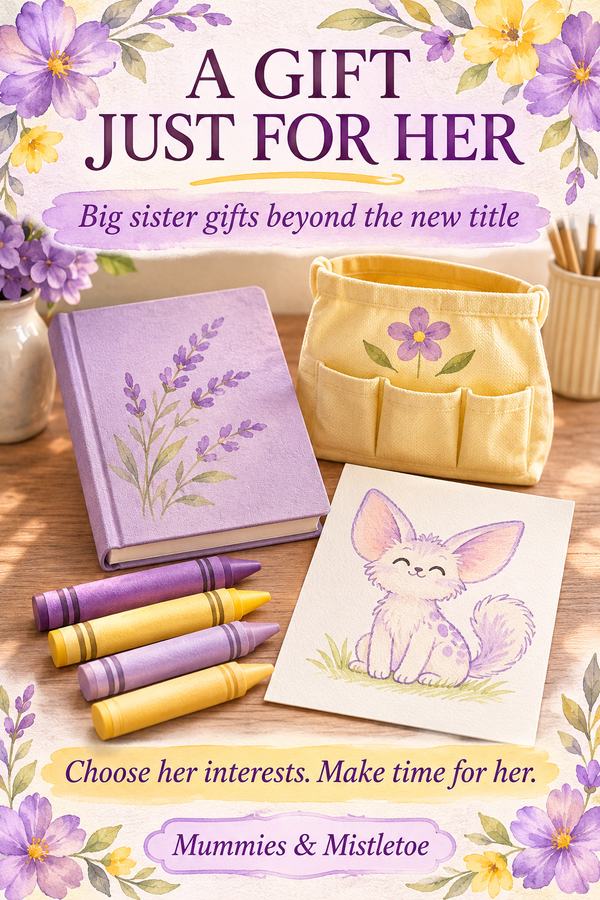
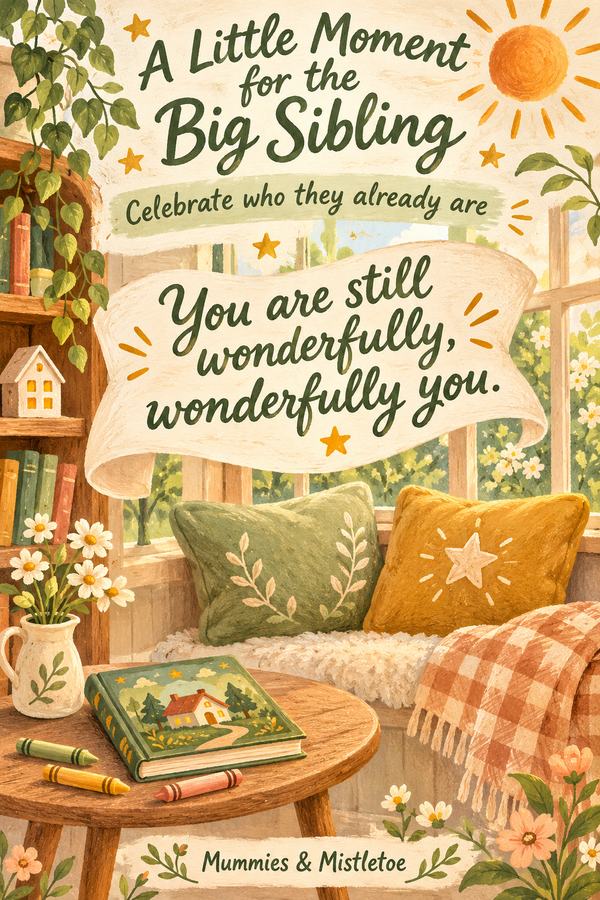
The baby gifts are stacked by the door, and an older child is watching another parcel arrive with someone else's name on it. A big sister gift can give her something that belongs to her own day, whether she wants to draw, build, read or show you her favorite game.
The same approach works for a new big brother. Choose for the child in front of you, rather than buying only things that announce a new family role. A gift can acknowledge the baby while still making room for everything the older child already enjoys.
Choose From Her Current Interests
Start with one interest you know she returns to. For a child who draws, choose paper and age-appropriate art supplies. For a reader, look for a book in a subject she already loves. For someone who builds, a construction toy that matches the family's preferences may be a better choice than a baby-themed keepsake.
Ask a parent about what she owns, what is suitable for her age, and what fits the household. That quick check can prevent duplicate books, supplies that aren't allowed at the kitchen table, or a toy with pieces the family doesn't want around a baby.
If you're buying a special big sister shirt, check her size and whether she likes wearing words or pictures on her clothes. One item can celebrate her new role; the rest can reflect her own interests.
Make a Big Sister Gift Bag for Quiet Moments
A small activity bag can be useful when a parent is occupied nearby. Keep it simple enough that the child can choose something without unpacking an entire craft cupboard.
For a child who enjoys drawing, the bag might hold a sketchbook, washable drawing supplies chosen with a parent, and a few picture prompts. Write prompts such as “Draw the tallest house you can imagine,” “Invent a pet with enormous ears,” or “Make a menu for a pretend café.”
For a child who likes stories, choose a book, a notebook for invented characters, and a soft toy she already has permission to keep with her things. Let the notebook belong to her own story world.
Keep small components and art supplies stored away from the baby. The older child's bag should have a defined place that the family can manage, such as a high shelf or a closed cupboard.
Give Time a Shape She Can Recognize
A promise to spend time together is easier to look forward to when it names an activity. Offer something you can realistically do: a library visit, a walk to a familiar playground, or an hour of building at home.
Write the plan on a card in plain words: “You and me, a library visit, and choosing a book to read together.” Agree on timing with the parent before giving the card. If you're not sure when you're available, make the arrangement first instead of presenting a promise that may sit unused.
For relatives who live far away, plan a short video call around something the child can show or do. She might choose a book to read aloud with you, bring a drawing to explain, or give a tour of a construction she has made. Ask about the technology and schedule before promising a regular call.
Offer a Keepsake Without Assigning a Job
A small personal notebook can hold drawings, favorite things and photographs. Let the child decide whether the baby appears in it. One page could record her favorite breakfast; another could hold a picture of a day outside.
If she enjoys the idea, include a page titled “Things I Want to Show You.” She could draw the family dog, a favorite tree or the best hiding place for a toy. That gives her a way to share her world without turning the notebook into a list of responsibilities.
Avoid wording that makes her responsible for a parent's comfort or the baby's behavior. A card can say you're glad to see her and excited to spend time with her. It doesn't need to call her the household's helper or promise that being older will always feel wonderful.
Plan the Moment You Give It
Ask the parent when a gift would be welcome. A hospital visit, a busy homecoming and a quiet afternoon all have different demands. There is no need to make the handover part of a performance for the family.
Use the child's name on the tag and speak to her directly. “I brought this because I know you like drawing animals” makes the connection clear. If you've also brought a baby gift, give her time to open her own without immediately asking her to help with the other parcel.
Give her time to take it in. She may want to play at once, set the gift aside, or tell you something unrelated. You can follow her lead without asking for a photograph or a particular reaction.
Adjust for Two or More Older Children
When several siblings are involved, give each child something chosen for them. Matching bags can simplify the presentation, but the contents can differ by age and interest.
Keep the overall scale similar and label everything before you arrive. A teenager may prefer a bookshop outing or a quiet meal with you, while a younger child wants a new set of drawing supplies. The useful connection is that each gift includes thought and attention.
If you include a shared family game, give it separately from the individual gifts. That avoids turning one child's named present into something they must immediately hand over to everyone else.
Leave Something Ready to Use
Before wrapping, remove unnecessary packaging if the parent agrees, check that the gift has everything it needs, and include any care or safety information. Put the first activity where the child can find it.
For a drawing bag, that might be a fresh page with the prompt “Invent a pet with enormous ears” tucked into the front. Add her name to the card, and leave the rest of the page for her.
For the other family celebrations on your calendar, browse Mummies & Mistletoe with each person's interests in mind. That same habit of choosing for the individual makes a small gift feel personal.