One drinks coffee before sunrise; the other makes tea after dinner. One loves a patterned table; the other clears everything away before sitting down. A gift addressed to two people can accidentally become something only one of them enjoys.
Good gifts for couples don't require identical tastes. They need a reason to belong to both people. Before buying a matching pair, decide whether you are giving one shared item, two related items, or an experience they can choose together. That small decision makes the rest of the search more useful.
Start with the way they'll use the gift
Think of a moment they already share. That could be breakfast on a weekend, a walk followed by lunch, or a quiet evening with separate books. The activity doesn't need to sound impressive. It needs to fit their actual life.
Then ask what would make that moment easier or more enjoyable. A gift for the table might suit people who like eating together at home. A small outing might suit people who prefer not to add another object to the house. Two different books could belong in one gift if reading beside each other is something they enjoy.
Avoid building the present around a version of the couple you wish existed. A cooking project is a poor fit when neither person likes to cook, even if the packaging makes it look like a lovely evening.
Choose between one shared gift and two related pieces
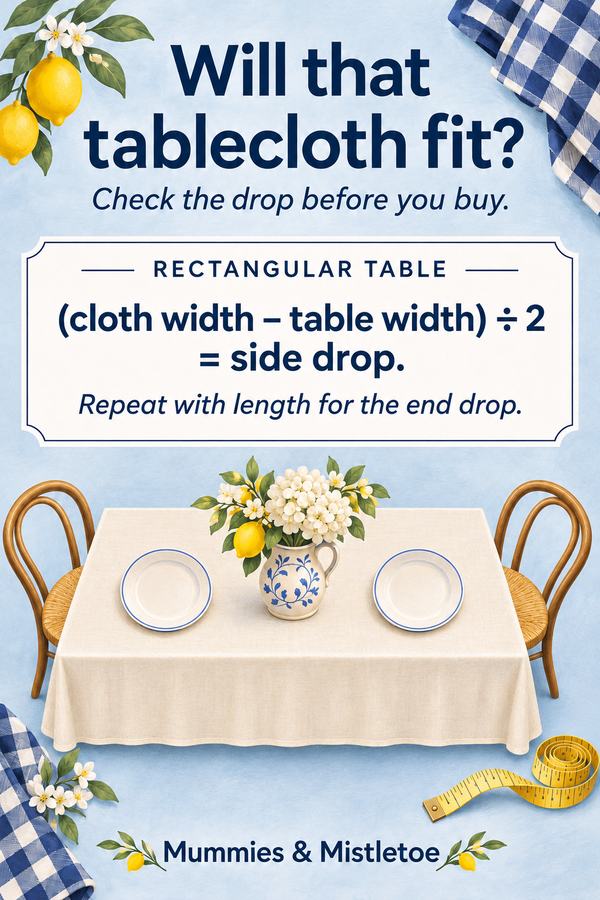
A shared gift works when both people want the same thing and have a place for it. Check the details before committing. A table runner needs the table's measurements and a pattern they are comfortable seeing every day. A household game needs to suit the number of people who will actually play it.
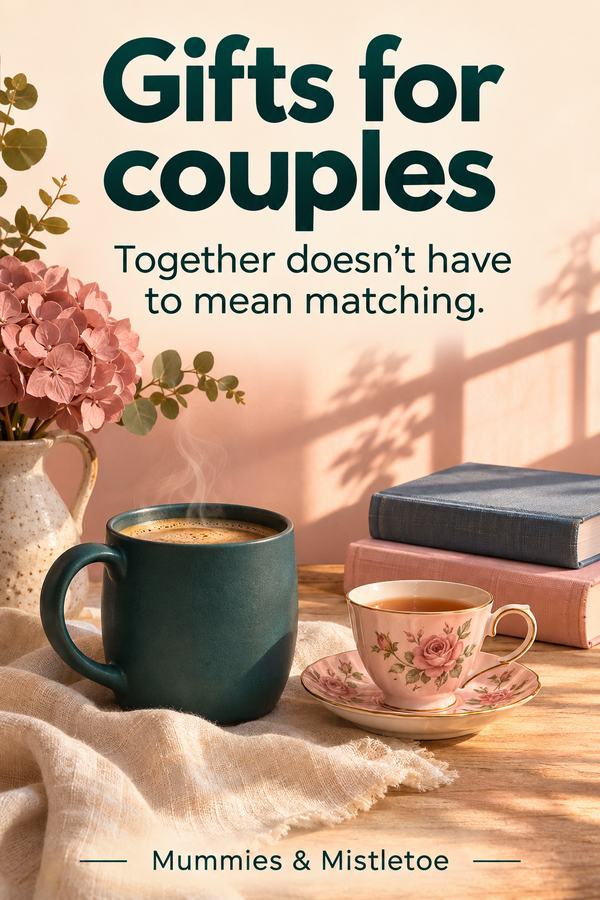
Two related pieces are better when the routine is shared but the preferences differ. Cups can belong together without being identical: a smaller tea cup for one person and a larger coffee mug for the other. Repeat a color or a quiet design detail if you'd like the pair to feel connected.
The pieces also don't have to cost exactly the same amount. Aim for equal thought, not a calculation that forces you to add something unnecessary to one side.
Use a two-person check before ordering
For a shared object, make sure you can explain why each person would welcome it. “She would like the color” tells you about only one recipient. Add the other half: he also wants something for that part of the house, or they chose the pattern together.
If you know one person much better, ask them to help you understand the other's preferences rather than letting them make every choice by default. A question such as “Would you both use this, or would two smaller things be better?” is practical and easy to answer.
For a larger gift, a little advance discussion is worth more than a perfect surprise. Ask about space, existing items, and any version they already have in mind. A picture and dimensions can prevent a generous gift from arriving without anywhere to go.
Make an experience flexible enough to enjoy
An experience can be a good shared gift when both people are interested and can make the timing work. Start with the activity, then check practical details: location, booking requirements, expiration dates, and whether the amount covers what you intend to give.
A restaurant gift may sound complete until it requires a long drive, costly parking, or a substantial extra payment. Look at the actual terms before presenting it as a whole evening. If the couple would rather choose the place, give them room to do that.
Agree on a date before buying fixed tickets. A flexible option can be more useful than an event that creates a calendar problem. Put any booking instructions and relevant terms in the envelope so neither person has to hunt for them.
Keep the gift from becoming one person's project
Some shared gifts quietly assign work. A box of ingredients needs someone to plan the meal, cook, and clear up. A large plant needs someone to find a suitable spot and care for it. Those can be welcome gifts when the recipients enjoy the work, but check that the interest is shared.
If you want to give an evening in, keep the plan manageable. Pair the chosen activity with something easy to use, and let the couple decide when to enjoy it. Don't include a timetable that makes the present feel like an appointment.
For an object that needs assembly or setup, ask whether help would be useful. Offer a specific arrangement you can follow through on, such as an afternoon to assemble it together.
Write the card to both people
Use both names in the greeting. Mention the shared reason for the gift, then include a detail that shows you thought about their different preferences. “For your slow Saturday breakfasts, with room for strong coffee and a gentler cup of tea” explains a two-cup gift without forcing a matching slogan.
Check names and preferred wording before personalizing anything. A shared surname, a family title, or a label such as “Mr. and Mrs.” may not be how the couple refers to themselves. Their own wording is the useful guide.
Wrap the pieces together if they form one gift, and tuck practical information where it can be found after the ribbon comes off. Both people should be able to see where they fit in the present. That matters more than whether the two cups match.
For a couple who enjoy a richly colored Christmas table, our Christmas section lets them choose a shared piece together. Compare the mugs and table textiles with the routine you're celebrating, then let the card explain why it made you think of both of them.