A useful offer of help ends with a whole job taken off your list. For holiday hosting, that might mean a dish delivered ready to serve or the table set before guests arrive. These steps turn “What can I do?” into an assignment someone else can finish without sending every decision back to you.
Choose the gathering you want to have, then divide the work around it. A written plan can hold the details while you enjoy the people coming through the door. Start with the meal and the jobs that make it possible.
Start With the Shape of the Gathering
Write one sentence that describes the occasion. “Lunch for eight with an afternoon game” gives you a useful boundary. “A beautiful holiday everyone remembers” leaves every choice open and can grow into far more work than you intended.
Choose a serving time, an approximate ending and the rooms you will use. Decide whether guests will sit for a full meal or help themselves to a lighter spread. These choices tell you how many places, serving pieces and food decisions you need.
Put optional extras on a separate list. Special favors, another dessert and a handmade centerpiece can wait until the main plan works. Choose the extra you enjoy most rather than treating every idea as part of the invitation.
Use a Whole-Job List
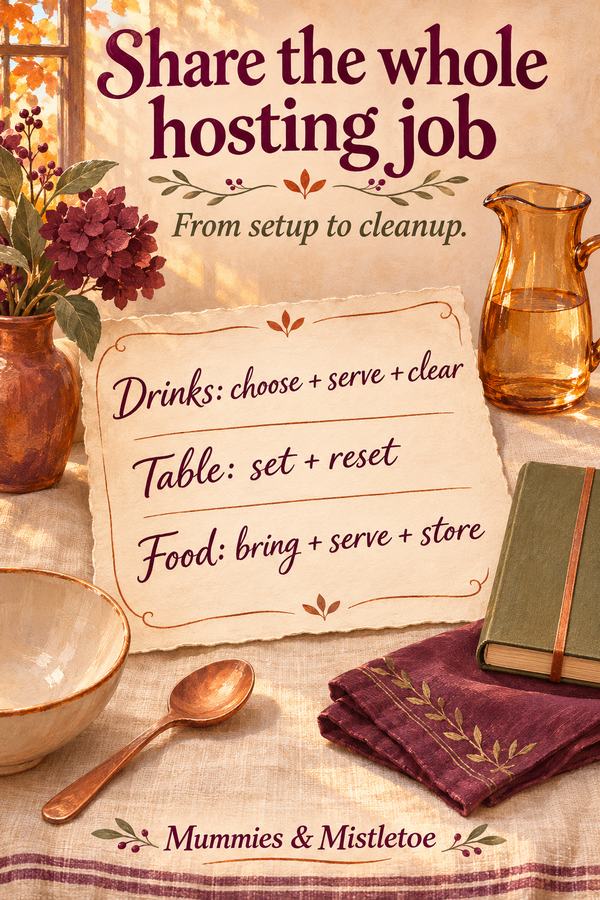
Divide the gathering into complete jobs: main food, side dishes, drinks, table setup, guest welcome and cleanup. Give each job a beginning and an ending. “Drinks” can include choosing two options, buying them, bringing ice, setting them out and gathering the empties afterward.
Write down what each person will supply and what your home already has. Someone bringing a casserole needs to know whether to bring a serving spoon. Someone arranging flowers needs to know which vase is available. Those small details prevent several last-minute searches through your cabinets.
Keep the list in one notebook page or shared message. A simple record with job, person's name, arrival time and equipment is enough. Leave space beside each entry for the one decision still outstanding.
Ask for Help With a Finished Assignment
Make the request specific enough that the person can say yes, no or suggest an alternative. Try: “Would you bring a ready-to-serve vegetable side for eight, including its serving dish and spoon? We are eating at one.” That gives your helper a useful target.
For a guest who prefers a non-cooking job, ask: “Could you arrive twenty minutes early, put water glasses at the eight places and fill the two pitchers?” Another person might bring a game and lead it after lunch. Match each job to the helper's interests and strengths.
Confirm the handoff once. If someone accepts a whole job, let them make the small choices within it. Give them the information that affects the rest of the gathering, then leave the garnish or napkin fold to their judgment.
Plan Around the Equipment You Have
Look at the menu beside the oven, stove, refrigerator and serving space. Write down which dishes arrive ready to serve and which need heating or finishing. Two dishes needing the same oven at different temperatures deserve a decision before guests arrive.
Change the menu where it makes the afternoon easier. A room-temperature side suited to its recipe, a purchased dessert or a dish delivered ready to serve can remove a busy step. Use the storage and serving instructions for the actual foods you choose.
Set out empty serving dishes with a scrap-paper label in each one. Include the serving utensils. This quick rehearsal shows you whether the salad bowl is also supposed to hold rolls and whether the main platter fits beside the other dishes.
Make the Last Hour Smaller
Write a short final-hour list with only the things that must happen then. Finishing the main dish, putting cold foods out at the appropriate time and welcoming guests belong on it. Searching for chairs, choosing music and finding clean hand towels can happen earlier.
Choose one helper as the first point of contact for arriving food. Show them where the dishes, refrigerator space and serving utensils are. They can direct a guest carrying a salad while you finish something else.
Have a place for coats and bags before the doorbell rings. Put the guest bathroom in order and clear the route to the table. These jobs take less attention when they are finished before the house fills.
Share Cleanup Before Everyone Is Tired
Include cleanup when you assign jobs. One person can gather dishes, another can clear the table and another can package food according to the food's storage requirements. Tell people where containers and dish towels live before they need them.
Separate the immediate reset from the work that can wait. Put food away promptly, handle spills and leave a usable sink and counter. Decorative pieces, folded linens and the game box can be dealt with after guests leave.
For a household that hosts often, rotate one whole responsibility at the next gathering. The person who cooked may take drinks next time while someone else leads the meal. Keep the arrangement visible so the same person does not quietly inherit every unfinished job.
Keep Notes for the Next Invitation
Afterward, write down the guest count, the menu and what you would change. Record practical details such as which platter fit the main dish, which side disappeared first and which job needed a second pair of hands. Those notes are more useful than trying to remember the whole day later.
Keep one page for each gathering in a journal or planning notebook. Add a short list of reusable supplies you already own before you shop again. The next plan can begin with a working version instead of a blank page.
Close the notebook after writing one decision for next time. Leave the serving spoon with the dish it belongs to, ready for the next person who takes that job.
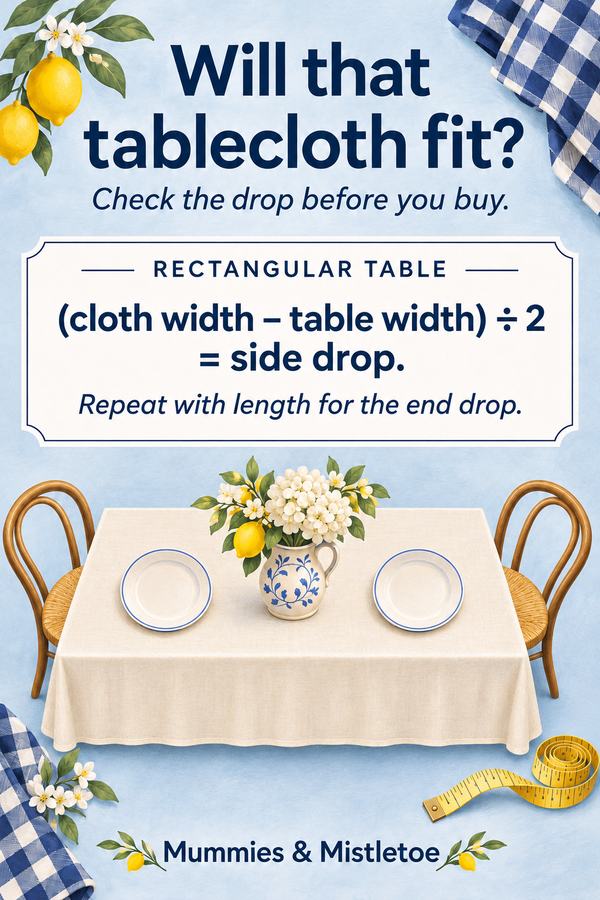
If your autumn table needs one new textile, our Thanksgiving section gives you a focused place to look. Choose the runner or cloth from your table measurements, then leave the rest of the setting to the dishes and supplies you already have.