A chair has been sitting on the porch since spring, but nobody stays there long because there's nowhere to put a glass. Summer front porch decor can start with that small problem.
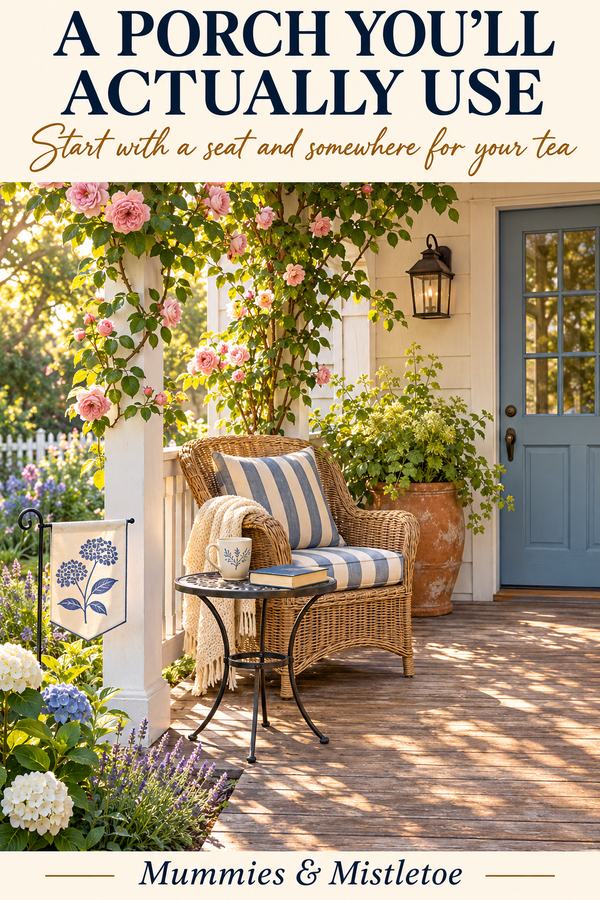
Build a place you want to use, then give it a color story. A comfortable seat, a stable side table and a few well-chosen textiles can make the porch feel like part of the home rather than a display beside the front door.
Choose the Hour You Want to Be Outside
Visit the porch at the time you're most likely to use it. Morning coffee, an afternoon conversation and a few minutes after dinner can mean different light, heat and street activity.
Sit in the chair for a while before moving anything else. Notice whether sun reaches your eyes, whether the view feels pleasant and whether you are in the way of the door. The best location for a chair in a photograph may not be the best place to read.
Choose the seat position first. Then place the small table where you can reach it without leaning across a planter or standing up. Keep the route to the door separate from the sitting area.
Build Summer Front Porch Decor Around One Color
Choose a color already connected with the house, such as the door, trim or a flowering plant. Repeat it in one textile and one smaller detail.
A blue door might work with blue-and-cream striped cushions and a plain pale planter. A dark green door can sit well beside warm ivory fabric and terracotta pots. For a white porch, a soft coral or yellow accent can add warmth without covering every surface.
Use texture to vary the pieces. A smooth pot, a woven-looking outdoor cushion and a simple metal table can feel related through color even when the materials differ. Keep a photograph of the existing porch on your phone when comparing new items.
Choose Textiles for the Actual Exposure
Check whether the porch is fully covered, partly covered or open to rain. A cushion tucked against a wall may still get wet when rain blows sideways.
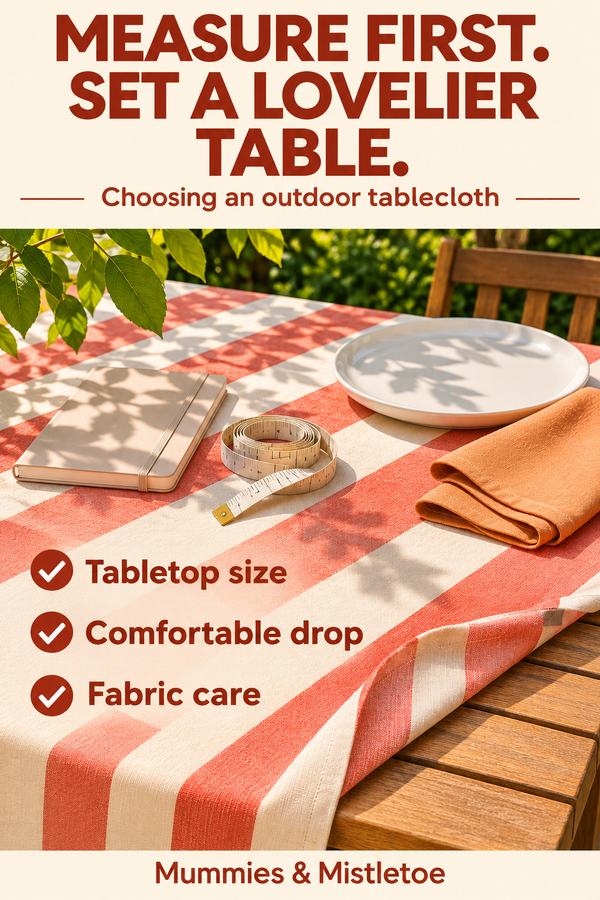
Read the product's stated use and care instructions before buying. “Outdoor” doesn't automatically mean it can stay outside through every condition. Check whether the cover comes off, how it can be cleaned and what the maker recommends for storage.
A single seat cushion or pillow may be enough on a small porch. Choose a pattern with colors you can repeat elsewhere, then plan where the textile will go when it needs to come inside. A convenient storage spot makes the care routine easier to keep.
Give Plants a Defined Role
Use plants to frame the sitting area or doorway, with a clear path between them. Two pots beside a step can mark an entrance; one larger pot near a chair can soften the edge of the seating area.
Choose plants for the light and conditions you actually observed, using the plant's label or advice from a local nursery. A plant that likes the sunny garden may not suit the shaded corner under the porch roof.
Place pots where watering won't send runoff across the walking route. Use suitable protection for the porch surface and check that drainage is appropriate for both the plant and container. Keep enough room around each pot to reach it without moving the furniture.
Use a Flag as a Garden Detail
A garden flag can repeat the porch color near the path or planting bed. Treat it as a moving part of the scene: give the fabric room to hang and move without catching on branches or brushing guests.
Check the flag size and holder requirements before placing it. Position the stake in an appropriate part of your own garden, clear of the route people use to reach the steps.
Let the flag be the main illustrated detail if it has a busy design. Plain cushions and pots can support it without adding more competing pictures. If the porch already has patterned textiles, choose a quieter garden accent.
Adapt the Layout to a Narrow Porch
On a narrow porch, keep furniture along the wall or in a corner that doesn't restrict the entrance. Test the door at its full opening angle and walk past the chair while carrying a bag.
A single chair with a compact, stable table can be more useful than two chairs with no comfortable place to move. Avoid borrowing walking space for decorative baskets or floor lanterns.
If there is no room to sit, make the porch a thoughtful arrival spot instead. Focus on a clean mat, a suitable planter and a door detail. Keep the usable space for people, parcels and the everyday trip in and out.
Make a Deeper Porch Feel Connected
On a deeper porch, turn two chairs slightly toward each other with a table between them. Keep the conversation area distinct from the route to the door.
If there is a bench, use it as seating first. Leave the middle clear for someone to sit. One cushion at an end can add the color you want while keeping the middle available.
Place a plant at the outer edge of the group to give the arrangement a boundary. Check the view from the street and from inside the house; the chairs should still look inviting when nobody is sitting in them.
Leave It Ready for the Next Visit
Keep the side table mostly clear so a glass, book or small plate can land there. Bring in anything that won't tolerate the weather and follow the care instructions for what remains.
A quick reset after watering or a windy afternoon is easier when there are only a few things to straighten. Sweep the route to the steps, return the cushion and set the chair at the angle you liked.
The next time you make a drink, take it outside before finding another task indoors.
For the illustrated accent beside the path, the Mummies & Mistletoe shop is a place to browse garden flag designs. Keep your porch photo and stand measurements handy so you're choosing for the space you've just made comfortable.