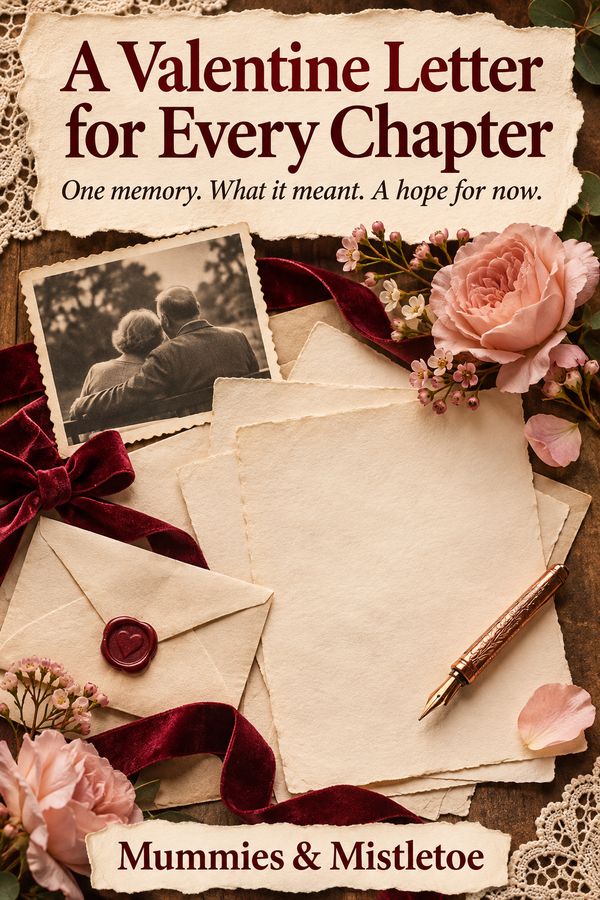
A long relationship contains several versions of the same two people. The couple who moved into a first apartment is not quite the couple who raised children, changed careers or learned to enjoy a quieter house. A Valentine’s letter for each decade gives those chapters room to be remembered.
You can make three short letters, a handful of folded pages or one letter divided into periods. The format matters less than choosing memories that belong specifically to the two of you.
Choose chapters that fit your life
Use decades if they make sense, or divide the relationship around real turning points: the beginning, the busy years, a move and the present. A shorter relationship might use seasons or individual years.
Write the dates lightly in pencil before drafting. If you cannot remember when something happened, check a photograph or ask casually. You can also write “our first winter in the little house” without inventing a year.
Do not feel obliged to summarize every major event. One ordinary scene can capture a period better than a timeline of achievements.
Give each letter a different job
Let the first letter recall what drew you together. The next can name something you built or learned. Another might honor how you supported each other through change. The final letter should look at who your partner is now.
For each chapter, answer three questions: What do I remember? What did you do that mattered to me? What do I understand about it now?
A memory becomes meaningful when it includes the effect on you. “You made tea every night while I studied” can become “You made the long evenings feel shared, even when you were tired too.”
Keep the voice recognizably yours
Use the names, phrases and gentle humor you actually share. If you would never call your partner your eternal guiding star in conversation, the letter does not need to start there.
Read each page aloud. Replace anything that sounds borrowed with something you could comfortably say across the table. A slightly awkward but truthful sentence is often more moving than a polished declaration that could fit anyone.
Choose memories your partner will welcome. Private grief or unresolved conflict does not need to become a surprise Valentine’s exercise. You can acknowledge a difficult season with care without retelling every detail.
Make the pages easy to keep
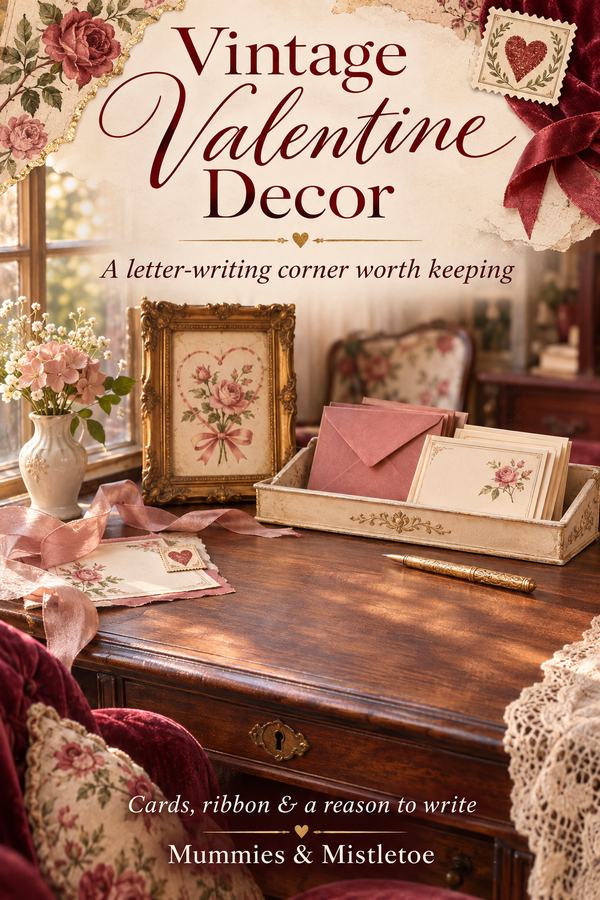
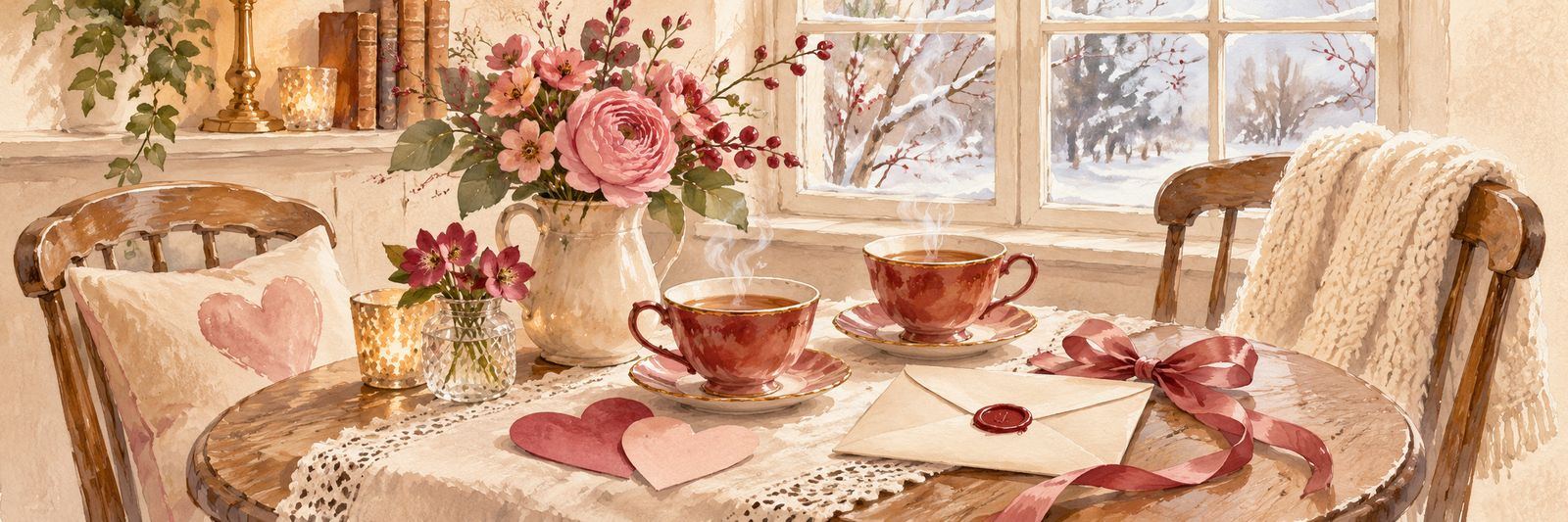
Use one sheet per chapter and label the envelopes clearly. Add a copied photograph or a small drawing only if it adds something; avoid attaching irreplaceable originals with glue.
Give the letters when there is time to read privately. Tell your partner there is no expected response and no matching gift required. They may want to read them slowly over several days.
End the last letter with one present-tense appreciation and one small future hope. A walk you want to take, a place you would like to revisit or another ordinary Sunday together brings the whole collection back to now.