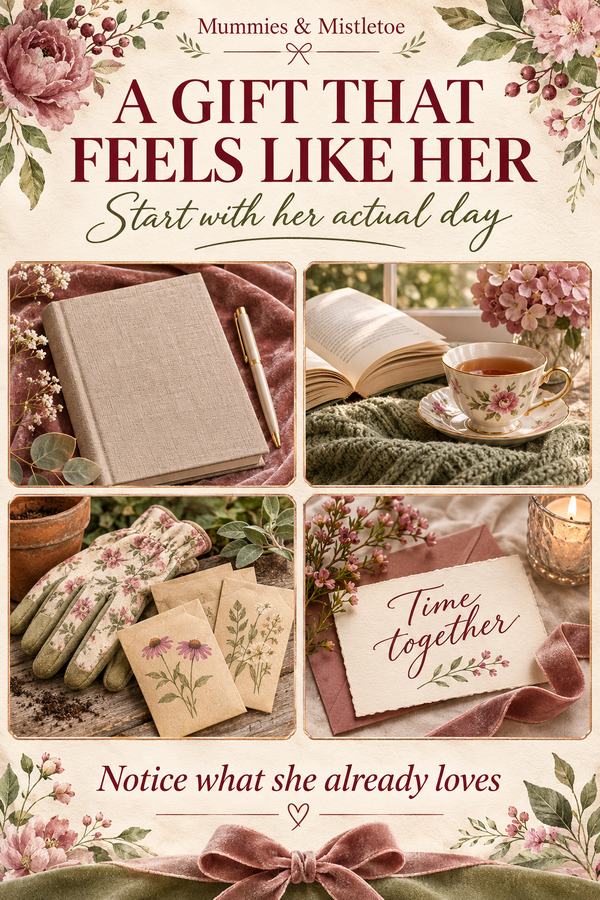
Think of an afternoon she would choose for herself. Reading, gardening, writing or sharing a cup of tea can all suggest a Mother's Day gift that feels personal. Notice what she already enjoys and choose one useful addition to it.
A gift can be modest and still feel personal. The useful part is choosing for her taste rather than assembling a collection of things that happen to say Mom. Start with one of these five ways she might spend an afternoon.
Mother's Day Gift Ideas for the Reader
Choose a book from her own wish list, then add something that improves the time she gets to read it. That might be a bookmark with a note from each child, a favorite snack or an afternoon when someone else handles the household errands. The book stays at the center of the gift.
If you don't know which title she wants, ask her to name two or three. You can still keep the final choice a surprise. Check whether she prefers large print, an ebook or an audiobook before buying a format she won't use.
Write the card around a particular detail: "I hope you get a whole afternoon with this, a cup of tea and no one asking where the clean socks are." Use your own household's words, and make any offer of help one you can carry out.
For the Woman Who Writes Things Down
Look at the kind of notebook she uses before choosing another one. A planner, a private journal and a recipe notebook do different jobs. Lined pages suit someone who writes in paragraphs, while blank pages may matter more to someone who draws.
Our Owl and Roses Journal has a dark floral cover and 150 lined pages, making it a possible match for someone who likes that style and enjoys writing. Pair it with a pen she finds comfortable and leave the pages for her own words. Put your message on a separate card so the notebook remains hers to use.
If she already has a notebook she loves, a new one may be less useful than a good pen refill or a small pouch for carrying it. A gift doesn't need to replace a working habit to show that you've noticed it.
For the Gardener With a Place in Mind
Ask about the part of the garden she's working on. A packet of suitable seeds, a replacement hand tool or a plant she has named can be more welcome than a decorative pot chosen without knowing where it will go. Check the plant's light, space and care needs against her actual growing area.
Turn an offer of help into a specific plan. You could carry the heavy bags, wash empty pots or help clear the worktable while she decides what to plant. Avoid pruning or rearranging plants as a surprise; the gardener may have plans you haven't heard yet.
Wrap a small gift in a practical cloth or bag, then include a note such as, "For the corner by the kitchen window. I'd like to help you get it ready whenever you choose." Leave the timing in her hands.
For the Person Who Loves a Shared Meal
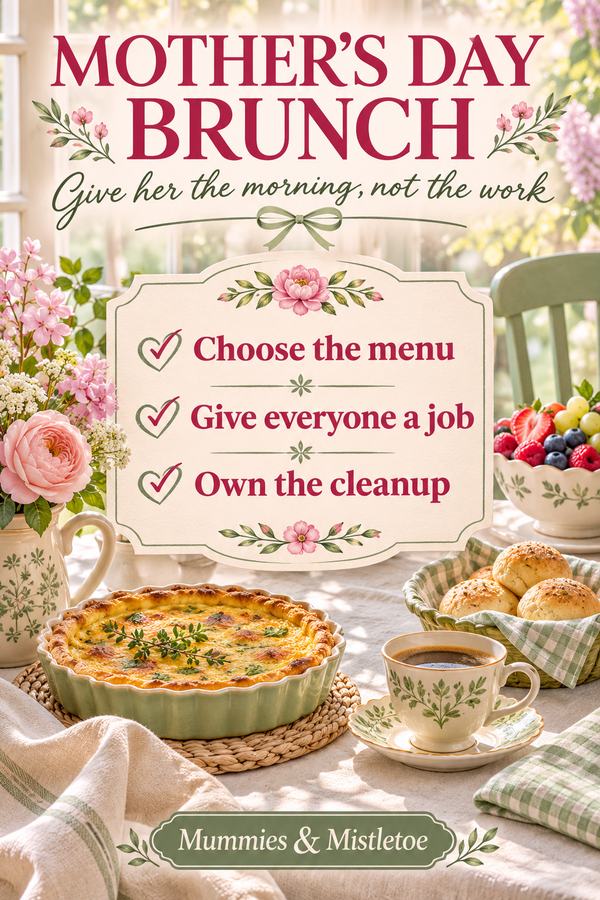
Give her a meal she enjoys without making her organize it. Choose the menu, gather the ingredients, arrange the cooking and take responsibility for the dishes. Ask about timing and food preferences before promising a breakfast that arrives when she'd rather sleep.
For a simple lunch, plan one main dish, fruit or a salad, and a dessert she likes. A favorite soup with good bread can be enough. Set the table with pieces she already enjoys and put a short handwritten note at her place.
If you're giving a mug or another kitchen item, choose it for how she uses it. Handle shape, weight, capacity and care instructions matter alongside the pattern. A beautiful cup that is awkward for her to hold is unlikely to become the one beside her chair.
For the Woman Who Wants Time Together
Offer a specific outing with a choice built into it: a garden visit or a bookstore afternoon, a walk followed by lunch or a quiet meal at home. Say who will organize transport and any other arrangements. The gift should not become another event she has to coordinate.
A written invitation can be the thing you wrap. Put two possible times on a separate note and ask which suits her, without purchasing nonrefundable tickets before checking. For someone who tires easily, a shorter visit with an easy way home may be the better plan.
If you live apart, arrange a call around something you can share. Read the same short story, look through family photographs or each make a cup of tea. Send the photograph or book ahead so she doesn't have to search for it while you're talking.
When the Gift Is for Grandma
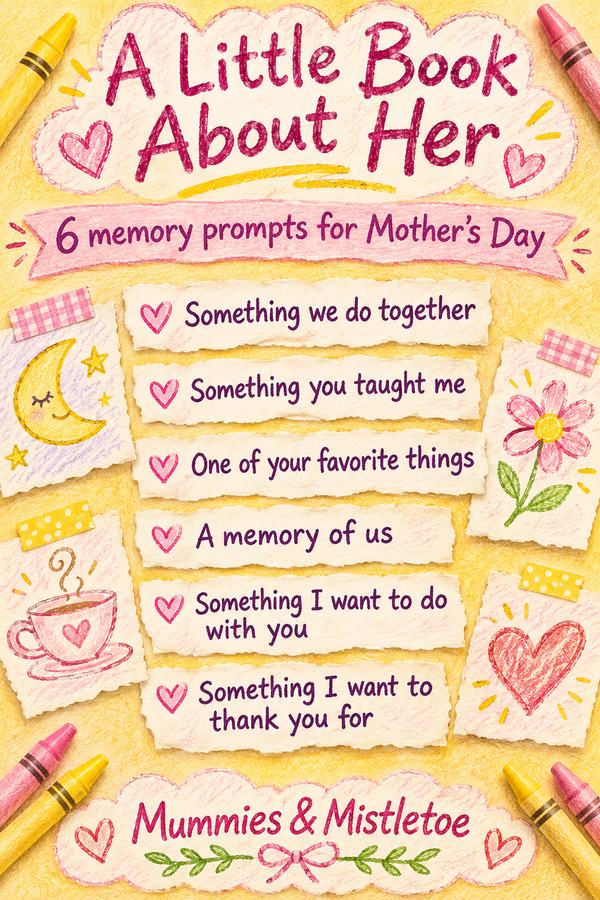
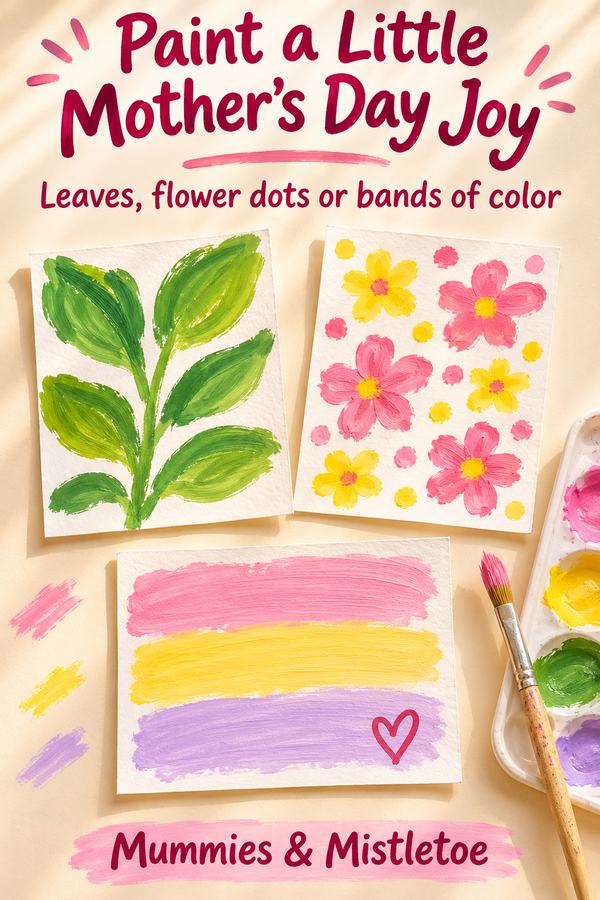
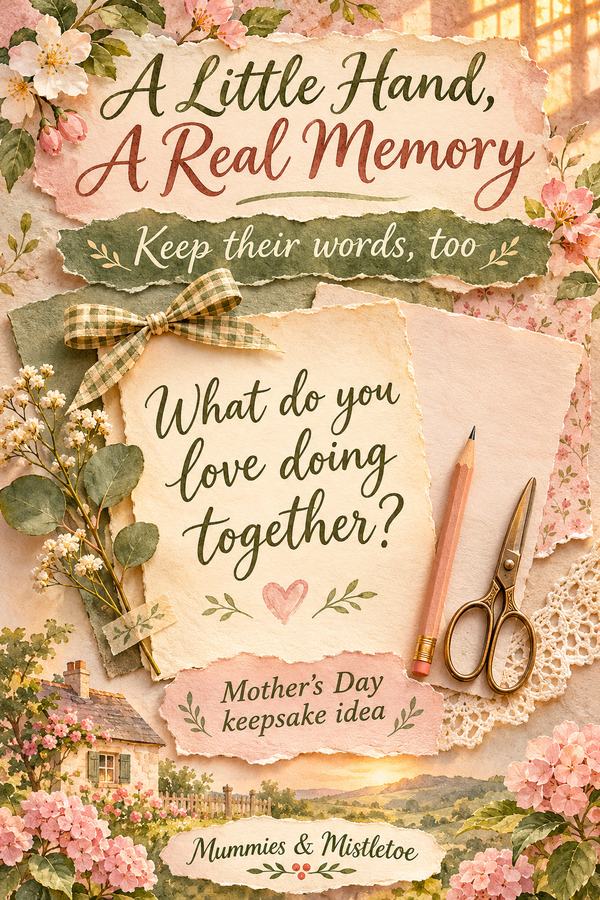
Let a grandchild contribute one small part that belongs to the gift. A child can draw the bookmark for her chosen book, dictate a note to tuck inside the journal, or choose the photograph that accompanies a lunch invitation. Keep the drawing or note removable so Grandma can use the gift in her own way.
If several grandchildren are joining in, collect one sentence from each. “I like when we…” is a useful beginning. Put their words on a single folded card, with each child's name beside their contribution.
Choose the Size of the Gesture
Set a budget before browsing, and spend it on the part she will value most. A handwritten letter with a carefully chosen small gift can feel more considered than a crowded hamper. If siblings are contributing, name one person to coordinate the order and another to handle the card.
Mother's Day can hold different feelings in different families. A simple message to a stepmother, grandmother or another person who has cared for you can name the relationship in your own words. You don't have to borrow a greeting that doesn't fit.
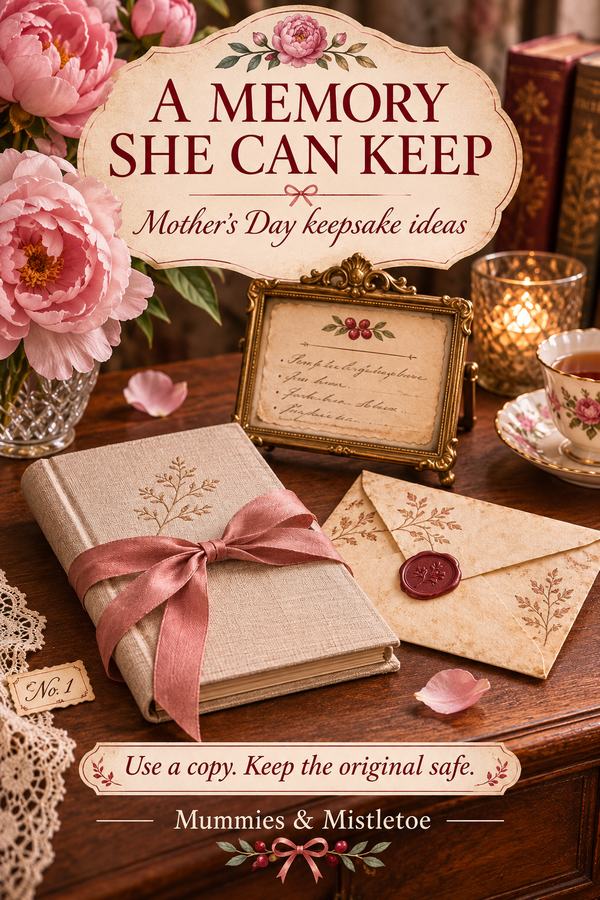
Finish the card with something particular: "Thank you for listening on the drive home," or "I still make the soup the way you taught me." Fold it beside the gift, with her name written on the outside.