Put Supper on the Table in Small Batches
The first pancakes are ready before everyone has found a chair, and the cook is still standing at the stove. A Shrove Tuesday pancake supper works better when you plan how the food will reach the table as well as what goes on top.
For a household of four, choose one familiar pancake recipe or mix and two topping combinations. Set the table before cooking, and decide whether people will eat as batches arrive or whether your chosen recipe includes a reliable make-ahead method. The cook deserves a place in the meal, too.
Give the Meal Its Place Before Lent
Shrove Tuesday comes before Ash Wednesday in the Western Christian calendar. The Church of England connects its pancake tradition with using rich ingredients such as eggs and fat before Lent. That history gives the meal its setting without requiring every household to follow an identical menu or fasting practice.
You might explain it at the table in one sentence: “We're sharing pancakes before the season of Lent begins.” Follow your own church's guidance for the observance that follows. If your family already has a Shrove Tuesday custom, let that familiar custom lead the evening.
English Heritage explains that “shrove” is connected with “shrive,” referring to confession and absolution. The meal belongs beside that preparation for Lent, not only the tradition of using up ingredients. Children can ask more about your church's practice while everyone eats.
Choose Sweet or Savory Toppings
For a sweet supper, serve plain pancakes with sliced fruit and either yogurt or another topping that suits the family. Put syrup or lemon and sugar in separate small dishes, so people can choose. Add a side that makes the supper satisfying for your household.
For a savory supper for four, plan eight thin crepes, two cups of cooked beans, three cups of cooked vegetables and a four-cup bowl of salad. Mushrooms and a little grated cheese make good additions. Use a favorite crepe recipe, with substitutions that fit the people at your table.
For a complete illustrative supper for four, plan sixteen small pancakes about four inches across, four cups of prepared fruit, two cups of plain yogurt and four eggs cooked by your usual method. Set out a quarter cup of syrup and one lemon cut into wedges. Begin with three pancakes per person, leaving four for a second round; adjust the plan for appetites and dietary needs.
Set Up the Table So the Cook Can Join In
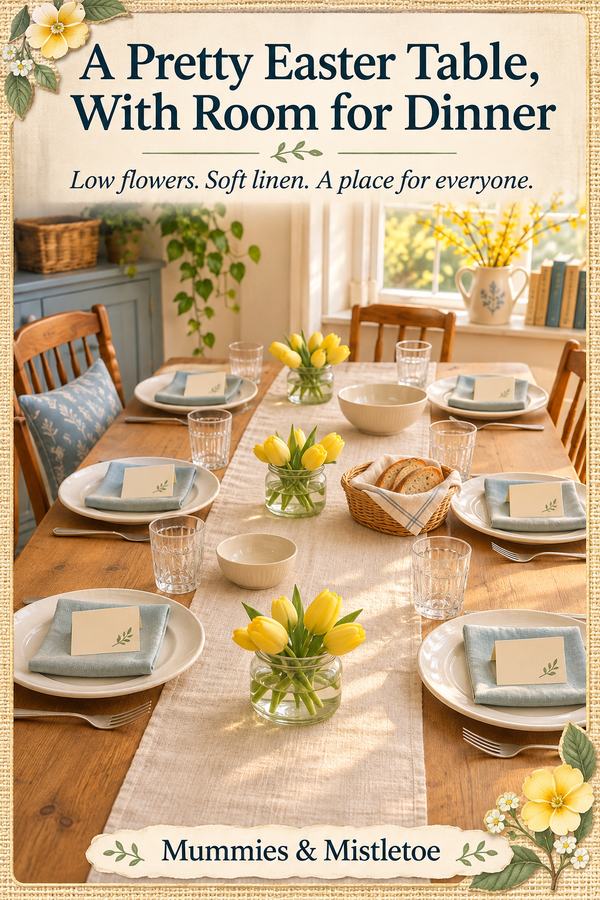
Place plates, cutlery and drinks before the pan heats. Put the toppings in the middle with a separate spoon for each, then leave an empty landing place for the serving plate. A washable tablecloth or runner gives the meal a finished look and can handle the syrup that misses its target.
Choose one person to carry the serving plate and another to refill water. Reserve the stove area for the cook and an adult helper; put children's toppings at the table. If possible, a second adult can take over a later batch so the first cook gets to sit down.
For an open kitchen, explain that people will begin as pancakes arrive and share conversation across the table. For a separate kitchen, choose a tested recipe with a make-ahead or holding method you can follow. Follow that recipe's temperature and time guidance while the remaining batches cook.
Give Children a Job With a Clear Finish
A younger child can count four napkins, place spoons beside the topping bowls or draw a little menu on folded paper. An older child can read the ingredient list aloud while an adult checks it, or measure dry ingredients with supervision. Match the job to their skills rather than their enthusiasm alone.
Let each person name their preferred topping before cooking begins. That keeps the meal from turning into repeated trips to the refrigerator for one more option. If a child wants a special combination, they can choose it from what is already on the table.
Keep tasting for the cooked food. Raw batter isn't a snack, and an adult should manage the hot pan. Children can still take part in the preparation without handling the part that needs the most attention.
Use a Serving Rhythm Instead of a Race
Before the first batch, fill water glasses and put the prepared side on the table. Cook according to the recipe, including its guidance on pan temperature and doneness. Send out a manageable portion, then begin the next batch while everyone has something to eat.
Halfway through, ask whether another batch is wanted before mixing more. That is a useful pause for the cook to sit, drink some water and have a plate. A smaller second round may be all the table needs.
If you want a playful ending, pass around the paper menu and let everyone draw the combination they chose. You can save it with the recipe as a record of the meal. The drawings make a cheerful record of everyone's favorite combination.
Leave Tomorrow's Plan Beside the Clean Plates
After the meal, ask each person to clear one part of the table. Store leftovers promptly according to the recipe and food-safety guidance, then wash and dry the topping dishes before putting them away. Jot any useful changes alongside the recipe.
If you plan to attend an Ash Wednesday service, check the time together before the evening ends. Fold the little menu beside the recipe card, with the four napkins already headed for the wash.